Capsule Factory Procurement Guide for Specialty Processing Aids
For a gelatin capsule manufacturer, specialty processing aids are not casual consumables. They influence line stability, shell uniformity, material handling, cleaning patterns, and batch repeatability. Procurement teams need more than a price list. They need a supplier that understands gelatin behavior, capsule quality targets, and the documentation rhythm of regulated production.
BloomPilot supports capsule manufacturers evaluating an enzyme supplier for gelatin processing with a practical, production-minded approach: define the technical need, confirm fit with plant handling, align documentation, and build a supply plan that protects scheduled production.
[Embedded faceless explainer video: specialty processing aid procurement for capsule factories]
What procurement should confirm before supplier approval
Specialty inputs used around gelatin processing should be evaluated across technical, operational, and commercial criteria. A low purchase price is not useful if the material creates storage uncertainty, inconsistent handling, or documentation delays during supplier qualification.
1. Application fit for gelatin processing
Start with the process step, not the catalog name. Procurement, production, and quality teams should agree on where the processing aid is expected to help.
Typical evaluation points include:
- gelatin preparation or conditioning needs
- viscosity management objectives
- clarification or handling support
- batch-to-batch consistency concerns
- capsule-shell appearance and downstream runnability
- compatibility with current equipment, temperatures, and hold times
A capable supplier should be able to discuss use context in practical manufacturing language and help your team narrow the specification before ordering.
Continuity of supply matters as much as specification
Capsule factories depend on predictable production calendars. An approved input that is difficult to replenish can become a hidden risk.
When evaluating a specialty processing aid supplier, ask:
- Is the material available for repeat commercial supply, not just one-off sampling?
- Can the supplier support kilo-scale purchasing for pilot, validation, or controlled production use?
- Are lead times stable enough for scheduled capsule campaigns?
- Can packaging formats be aligned with plant consumption rates?
- Is there a process for forecast-based replenishment?
The best procurement outcome is not simply securing stock. It is establishing a repeatable path from technical approval to reorder planning.
Documentation should support supplier qualification
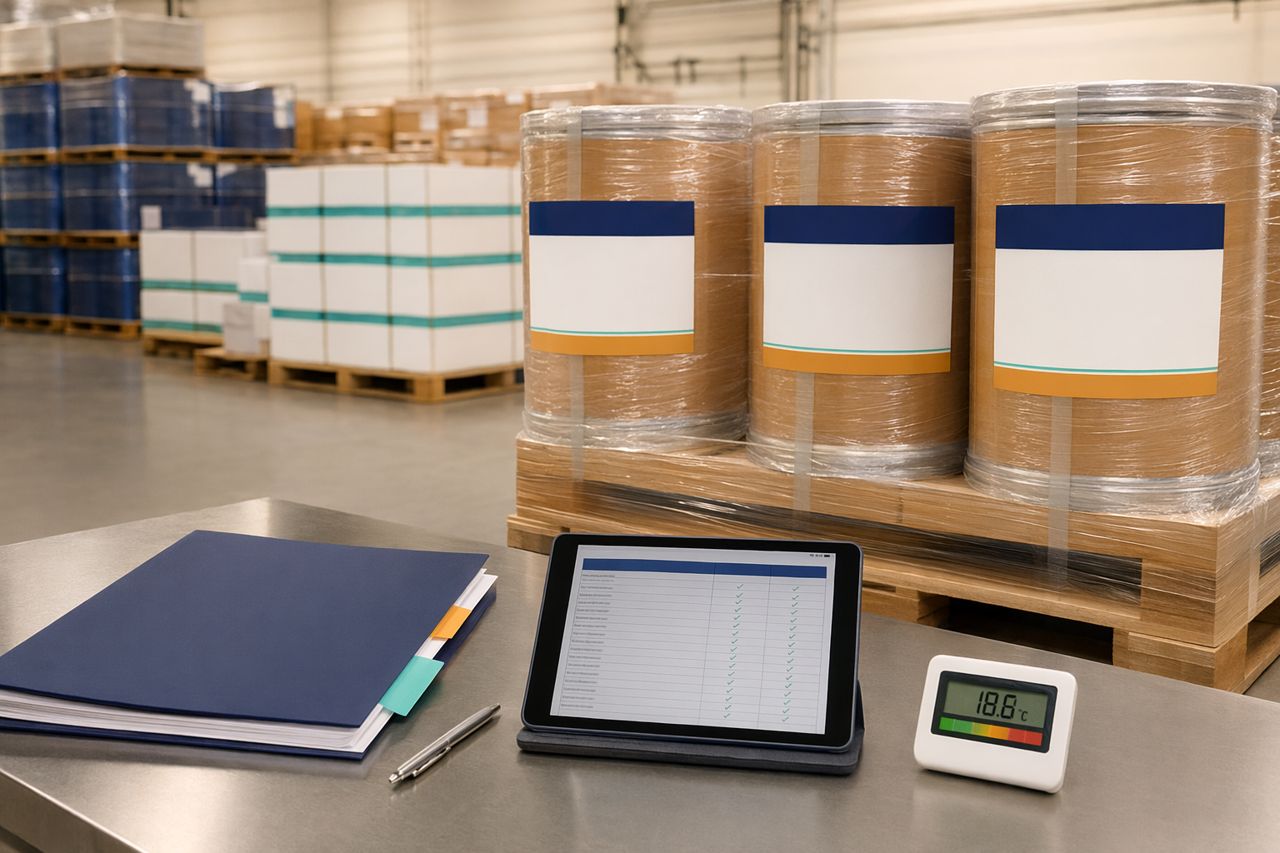
For capsule manufacturers, documentation is part of the product. Before introducing a specialty processing aid, confirm what paperwork is available and how quickly it can be provided.
Common documentation needs may include:
- product specification sheet
- safety data sheet
- lot-specific quality documentation
- origin and manufacturing information where applicable
- allergen, animal-origin, or restricted substance statements when relevant
- storage and handling guidance
- packaging and labeling details
Procurement teams should also verify document version control. A clear document trail reduces friction between purchasing, quality assurance, and production.
Packaging suitability for capsule plants
Packaging is often underestimated. The right format can reduce handling errors, moisture exposure, partial-container waste, and operator uncertainty.
Consider:
- container size relative to actual batch usage
- resealability after opening
- protection against moisture and temperature fluctuation
- labeling clarity for warehouse and dispensing teams
- pallet configuration and receiving constraints
- clean transfer into controlled production areas
For kilo-scale purchasing, packaging should support practical dispensing and inventory control. The goal is to make the material easy to receive, store, issue, and use without adding avoidable process variation.
Storage conditions and shelf-life planning
Specialty processing aids should fit your warehouse reality. A product that requires conditions your facility cannot reliably maintain may create unnecessary quality risk.
Before approval, confirm:
- recommended storage temperature range
- humidity protection needs
- shelf-life expectations
- opened-container handling guidance
- segregation requirements
- first-expiry, first-out planning
For production managers, stable storage guidance helps protect batch repeatability. For procurement, it helps avoid emergency reorders and slow-moving inventory losses.
Commercial evaluation: beyond unit price
Price matters, but capsule factories should evaluate total procurement value.
A stronger supplier offer may include:
- consistent material availability
- clear quote structure for kilo-scale quantities
- packaging options that reduce waste
- reliable documentation turnaround
- technical discussion before purchase
- responsive support during plant trials
- reorder planning after approval
The right buying process should support controlled scale-up: sample discussion, kilo-scale quotation, qualification support, and repeat supply.
Questions to ask an enzyme supplier for gelatin processing
Use these questions during supplier screening:
- What gelatin-processing applications does this material support?
- What production conditions should be reviewed before selection?
- What packaging sizes are available for kilo-scale use?
- What documents are available before purchase approval?
- What storage conditions are recommended?
- How are lot changes and documentation updates managed?
- What lead times should we plan around?
- Can the supplier support both trial quantities and repeat production purchasing?
- How should our production team evaluate performance during plant use?
- What information is needed to prepare an accurate quote?
A practical RFQ checklist
To receive a useful quotation, prepare the following:
- gelatin type and process step
- intended manufacturing use
- approximate trial or production quantity
- current batch size or consumption estimate
- preferred packaging format
- destination country and receiving requirements
- documentation requirements
- target timing for trial or production
- any plant-specific storage constraints
This information helps BloomPilot respond with a quote aligned to your process and purchasing plan.
Request a quote for capsule manufacturing support
If you are evaluating a specialty processing aid or enzyme supplier for gelatin processing, BloomPilot can help review the application context, documentation needs, packaging expectations, and supply plan.
Request a quote through the on-site contact form and include your process step, intended quantity, documentation requirements, and preferred delivery timing. We will respond with a production-minded recommendation and quote path for your capsule factory.