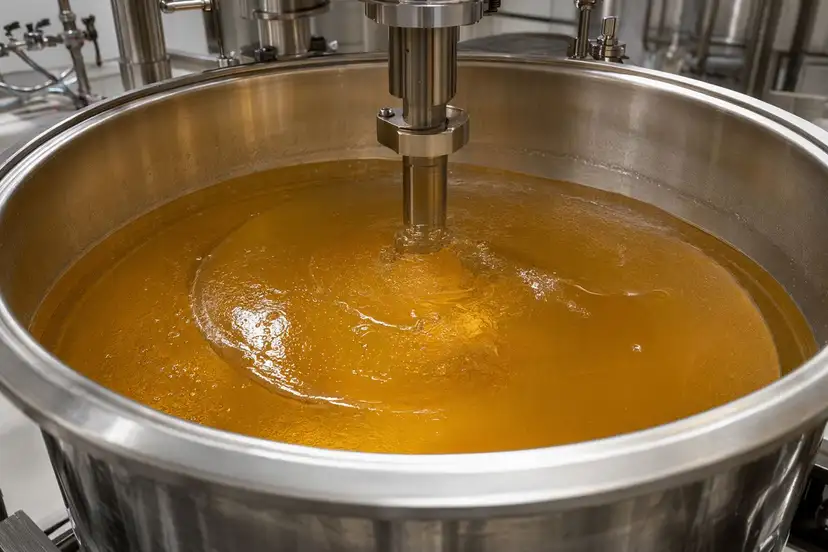
Rework and Recovery in Gelatin Capsule Production
A production-minded guide to gelatin-side rework decisions, recovery limits, and supplier support for capsule manufacturers evaluating enzyme options.
Request pricing A production-minded guide to gelatin-side rework decisions, recovery limits, and supplier support for capsule manufacturers evaluating enzyme options.
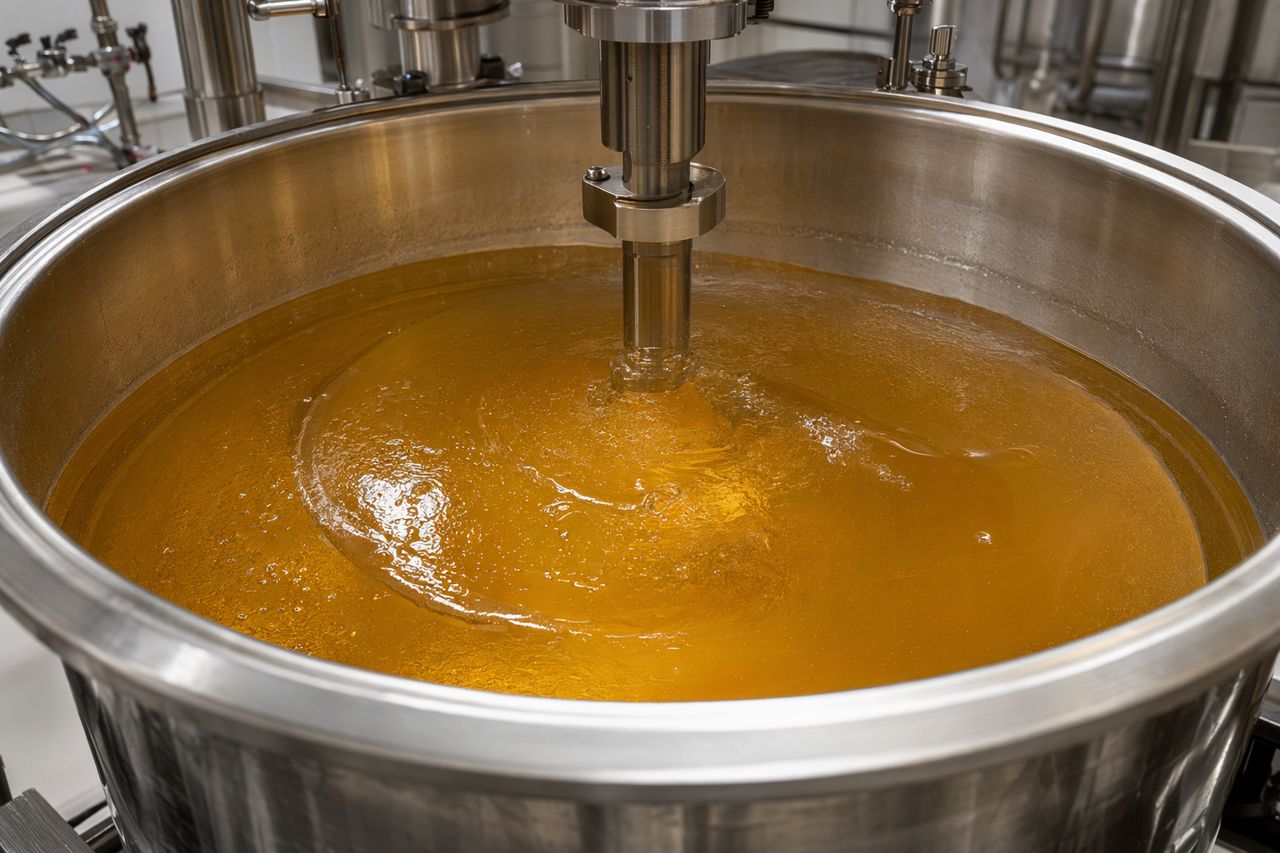
Request pricingGelatin-side rework is never just a material-saving exercise. In capsule manufacturing, a recovery decision can affect viscosity control, shell forming, drying behavior, capsule fit, dissolution performance, and final batch confidence.
For a production manager, the practical question is not simply whether an off-target gelatin mass can be reused. The better question is whether recovery can be performed without transferring instability into the next production run.
BloomPilot supports manufacturers that need disciplined gelatin processing decisions, including targeted enzyme guidance where controlled modification is appropriate. As an enzyme supplier for gelatin processing, our role is to help teams protect repeatability, not push rework beyond sensible limits.
Gelatin capsule production depends on a narrow operating window. When gelatin mass drifts outside the expected behavior, the issue may appear as:
Some deviations can be corrected with controlled processing. Others indicate a material risk that should not be carried forward.
A structured decision tree reduces subjective calls on the production floor. It also helps quality, production, and procurement teams speak from the same evidence when deciding whether to recover, downgrade, investigate, or discard.
Before any rework path is considered, classify the deviation. A gelatin mass that is slightly outside process behavior is different from a mass with unknown contamination risk or irreversible protein damage.
These are usually the most suitable candidates for controlled recovery, provided traceability is intact. Examples include:
In these cases, the decision depends on whether correction can be demonstrated without compromising shell performance.
These require more caution. They may include:
If the gelatin structure has been damaged beyond a controlled processing correction, rework may create more production loss downstream than it saves upstream.
These are generally not rework candidates unless the quality system has a clearly approved path. Examples include:
No enzyme adjustment, blending strategy, or recovery step should be used to obscure a quality risk.
Enzymes can be useful when the processing target is specific, controlled, and measurable by production outcomes. In gelatin capsule manufacturing, enzyme-supported approaches may be considered where the goal is to improve gelatin handling behavior, support viscosity control, or bring a borderline process stream closer to a stable operating window.
The value is not in forcing recovery. The value is in making a controlled decision with less trial-and-error.
BloomPilot focuses on practical plant outcomes:
For a production team, the important point is control. Enzyme use should be evaluated as a defined processing tool, not as a general fix for every off-spec condition.
A simple decision tree can help teams separate recoverable process drift from unacceptable risk.
Do not begin recovery until the material identity, lot history, hold time, transfer path, and equipment contact history are confirmed. If traceability is incomplete, the decision should move toward quarantine and investigation rather than rework.
Separate symptoms from root cause. High viscosity, for example, may come from hydration, temperature profile, gelatin lot variation, solids balance, or hold behavior. The correction path should match the cause.
A recovery step needs a target. Examples include improved pumpability, stabilized forming behavior, acceptable shell thickness response, or reduced visual defects. Without a defined outcome, rework becomes a moving target.
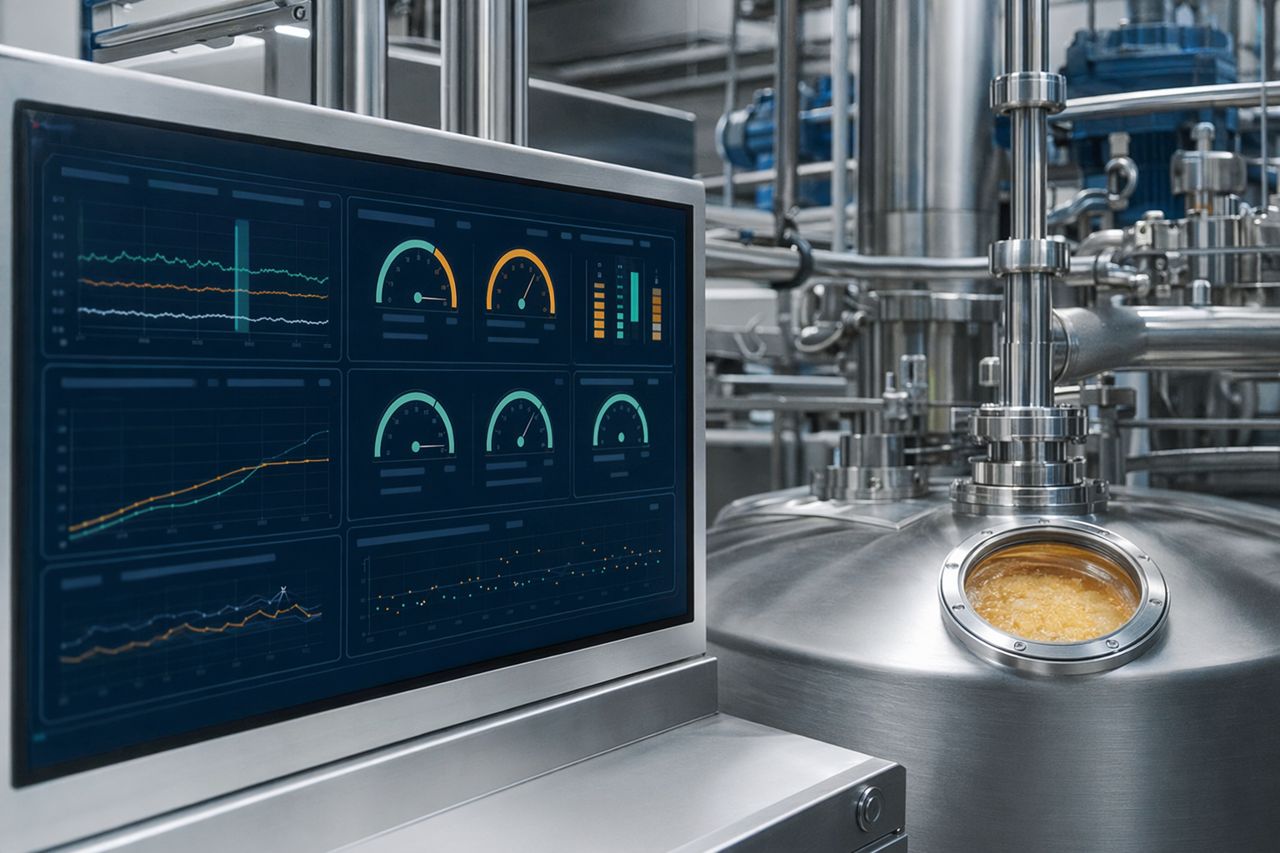
Before introducing recovered material into routine production, evaluate the adjustment under controlled conditions. The check should reflect actual plant handling: heating, mixing, holding, transfer, forming, and drying behavior.
Every recovery path needs a stop point. If the material does not respond as expected, do not continue adding interventions. Repeated correction attempts can hide the original cause and increase the risk of inconsistent capsule quality.
Even when recovery is approved, define how much recovered material can enter a production batch and under what conditions. Blending should be controlled, documented, and linked to shell performance results.
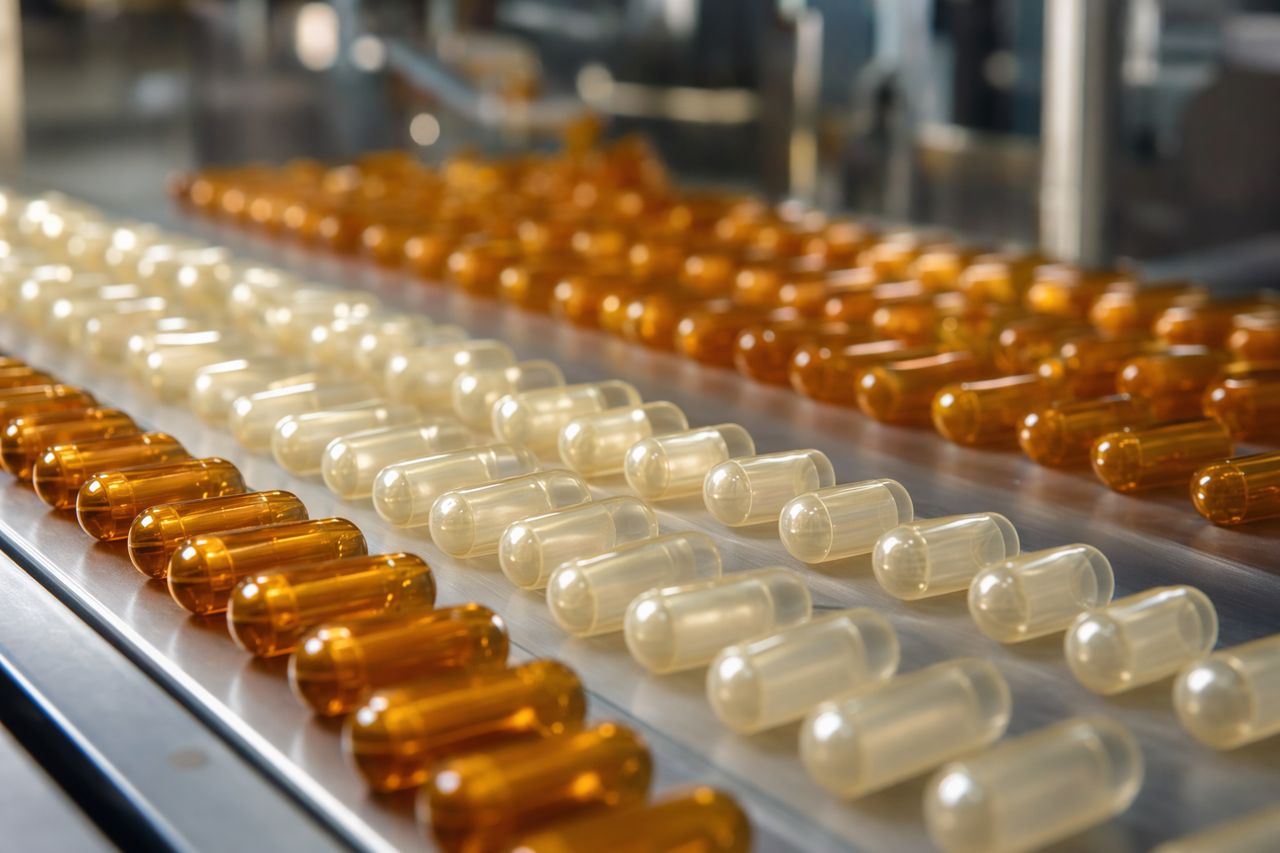
The gelatin mass may look acceptable before forming, but the final decision belongs to capsule performance. Review shell appearance, dimensional consistency, fit, brittleness, drying behavior, and dissolution expectations according to your internal quality system.
Rework is most sensible when the following conditions are present:
In these cases, recovery may reduce loss while preserving production discipline.
For example, a gelatin stream with manageable viscosity drift may be a candidate for controlled adjustment if the cause is known and the production response can be confirmed. A stream with unexplained odor, broken traceability, or repeated abnormal behavior should not be treated as a routine recovery candidate.
A recovery decision should be rejected when it increases uncertainty. Warning signs include:
The cost of a failed recovery can exceed the cost of discarded gelatin. Capsule rejects, downtime, investigation work, schedule disruption, and customer risk all belong in the calculation.
A useful enzyme supplier for gelatin processing should not only provide material. The supplier should help define where enzyme-supported control is appropriate, where it is not, and how to evaluate the outcome in production terms.
BloomPilot works with gelatin capsule manufacturers to align enzyme selection and process guidance with plant realities:
The best recovery programs are calm, documented, and repeatable. They do not depend on heroic adjustments during a difficult shift.
Use these questions before approving a gelatin-side recovery path:
These questions help turn rework from a reactive decision into a controlled manufacturing practice.
Gelatin-side rework should protect line stability, not consume it. When enzyme-supported adjustment is suitable, it should improve control and reduce uncertainty. When it is not suitable, the decision should be clear enough that production can move forward without debate.
BloomPilot helps capsule manufacturers evaluate recovery options, define practical processing windows, and select enzyme approaches that support repeatable gelatin handling.
Request a quote to discuss your gelatin processing conditions, recovery goals, and production requirements with BloomPilot.
Tell us your application and volume — we reply with pricing and lead time.