Troubleshooting Gelatin Filatin Slowdowns in Capsule Plants
Filtration is often treated as a utility step in gelatin capsule manufacturing. In practice, it is a sensitive checkpoint for upstream gelatin condition, thermal control, particulate load, and batch timing.
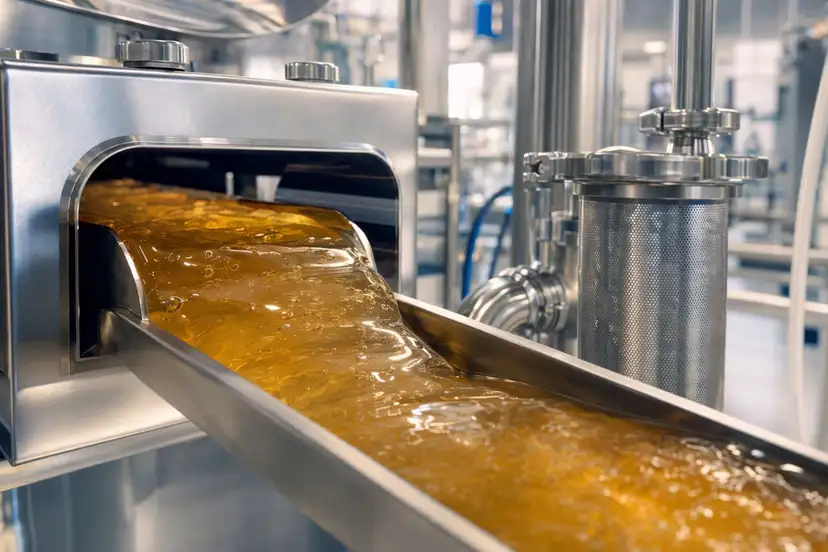
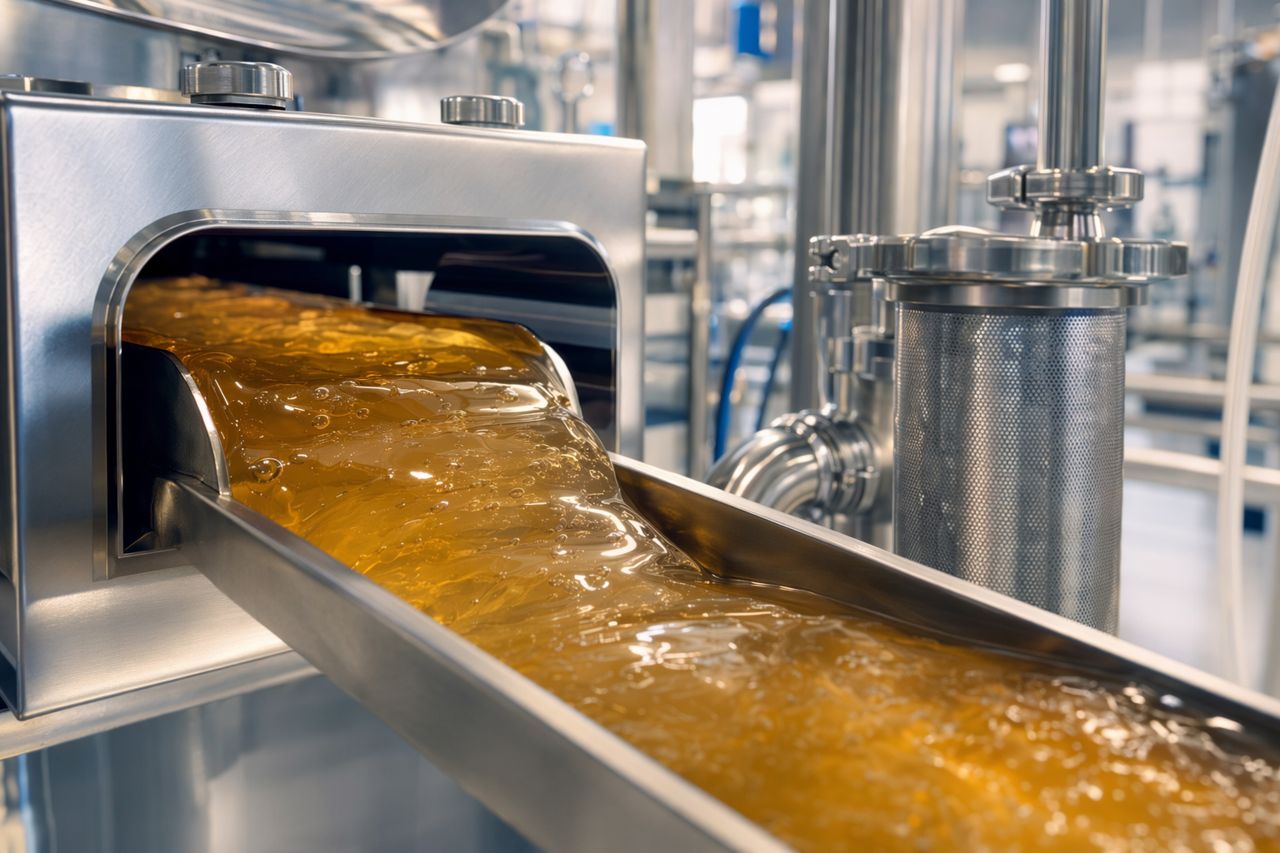
When filtration slows, the plant feels it quickly: longer hold times, rising differential pressure, unstable feed to dipping or encapsulation operations, and more operator intervention. The slowdown may appear at the filter housing, but the root cause is usually distributed across the gelatin preparation window.
For a production manager evaluating an enzyme supplier for gelatin processing, the goal is not simply faster flow. The objective is controlled gelatin behavior: predictable viscosity, cleaner filtration, repeatable bloom targets, and capsule-shell quality that holds across production batches.
What a filtration slowdown is telling you
A slow filter is rarely just a filter problem. It is a process signal.
Common plant symptoms include:
- Gradual pressure rise during an otherwise normal batch
- Shorter filter life after a gelatin supplier change
- Reduced flow after extended holding or reheating
- Fine haze or micro-particulate carryover after melting
- Inconsistent downstream film formation or shell thickness
- More frequent filter swaps during peak production
- Dipping viscosity that drifts while operators wait for clearance
The most useful question is not, “Which filter should we install?” It is, “What changed in the gelatin system before the filter saw the load?”
Start with gelatin quality, not the filter housing
Gelatin filtration performance begins with the raw material and how it responds to plant conditions.
Key gelatin-side variables include:
- Bloom profile: Gel strength affects solution behavior and downstream shell integrity.
- Viscosity behavior: High or drifting viscosity increases resistance through the filter bed.
- Particle distribution: Fine collagen residues, undissolved fractions, or degraded material can blind filter media quickly.
- Thermal history: Repeated heating and long holds can change flow behavior and clarity.
- Batch-to-batch variation: Small upstream differences become large filtration differences at production scale.
A stable gelatin feed should move through filtration with controlled pressure rise and consistent clarity. If operators are adjusting by feel, extending holds, or bypassing preferred timing, the process window is too narrow.
How viscosity drives filtration pressure
Viscosity is one of the strongest predictors of filtration throughput. Even when the gelatin appears fully dissolved, a higher or less stable viscosity profile can increase pressure demand, reduce flow, and magnify small filter-loading effects.
Typical viscosity-related causes include:
- Gelatin concentration above the validated process target
- Incomplete hydration before heating
- Overly aggressive heating or uneven heat transfer
- Extended hot holding before filtration
- Late additions that shift solids balance
- Inconsistent mixing in corners, transfer lines, or tank bottoms
A controlled enzyme approach can help manufacturers manage gelatin processing behavior before filtration becomes the bottleneck. The value is not in chasing a single lab number. It is in delivering a gelatin stream that filters predictably and supports stable capsule-shell formation.
Particulate load: the hidden cause of premature blinding
Fine solids are often more damaging than visible particles. Large particles may be captured early; fines penetrate deeper into filter media and close the flow path gradually.
Sources of particulate load can include:
- Incomplete dissolution of gelatin
- Raw material variation from incoming lots
- Char, fiber, or mineral traces from upstream handling
- Agglomerates formed during addition or hydration
- Gelatin fragments from cooled surfaces or poor recirculation
- Degraded fractions caused by excessive thermal exposure
If filters run well at the start and then lose capacity rapidly, the plant should review both particle distribution and process timing. Changing to a more open filter may improve flow temporarily, but it can transfer quality risk downstream. Changing to a tighter filter may protect clarity, but it can reduce throughput if the feed condition is not corrected.
Temperature control: small drift, large impact
Gelatin is temperature-sensitive. Filtration performance can change noticeably when feed temperature varies across the tank, transfer line, or filter skid.
Watch for:
- Temperature drop during transfer from melt tank to filter
- Cold spots in piping, valves, or dead legs
- Overheating near jackets or coils
- Extended recirculation before filtration
- Filter housings that are not thermally conditioned
- Start-up and end-of-batch portions behaving differently
Temperature variation affects both viscosity and the tendency of gelatin to form localized structure. For capsule plants, this matters because filtration is usually linked to downstream timing. If a batch waits too long, the shell-making step may inherit a material that no longer behaves like the approved batch standard.
Filter selection still matters
Filter selection should match the gelatin condition, quality target, and production cadence.
Important practical choices include:
- Media type: Depth media, cartridge systems, or staged filtration depending on particulate profile.
- Pore structure: Balanced for clarity without unnecessary pressure load.
- Surface area: Sized for batch volume, flow target, and expected solids loading.
- Housing design: Cleanable, drainable, and compatible with controlled thermal operation.
- Changeout strategy: Defined by pressure trend and product quality, not operator guesswork.
A good filter cannot compensate for unstable gelatin indefinitely. A good gelatin preparation strategy should allow the filter to operate inside a defined and repeatable pressure curve.
Process timing: the overlooked production variable
Filtration slowdowns often appear on busy production days because timing discipline becomes harder to maintain.
Review the timing map from gelatin charging to filtered holding:
- Hydration time before heating
- Melt profile and mixing intensity
- Hold duration before enzyme treatment, if used
- Enzyme contact window and stop point controls
- Transfer time to filtration
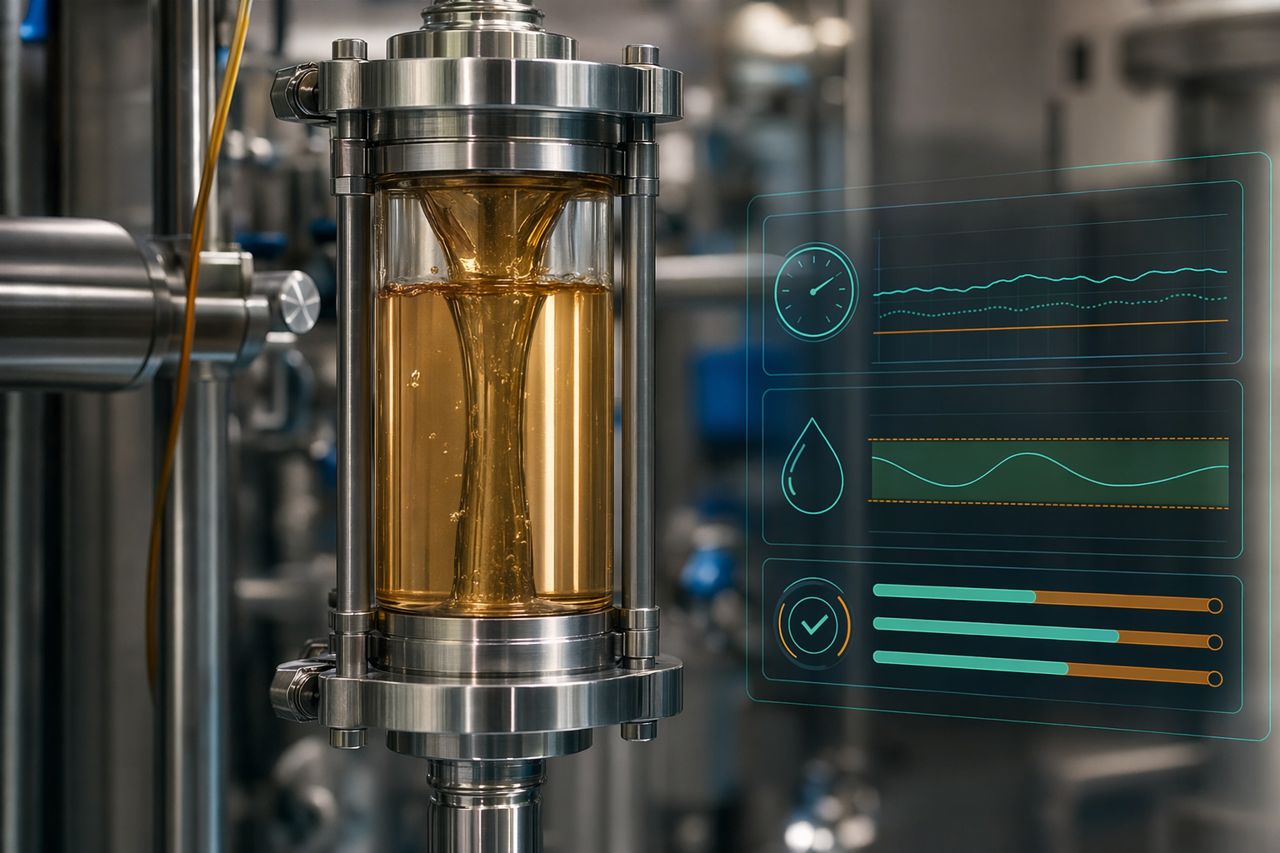
- Filtration duration and pressure rise
- Hold time before capsule-shell formation
If the same formulation behaves differently on different shifts, timing is a likely contributor. The best troubleshooting records include time, temperature, pressure trend, operator action, and downstream capsule-shell observations for each batch.
Where enzymes fit in a gelatin filtration strategy
Enzymes are used most effectively when they are integrated into a controlled gelatin process, not added as a last-minute fix.
For capsule manufacturers, the right enzyme program may support:
- More consistent gelatin processing behavior
- Improved control of viscosity before filtration
- Lower tendency for filter blinding from process-related fractions
- Better batch repeatability under defined plant conditions
- Reduced firefighting at filtration and transfer steps
- More stable feed behavior into capsule-shell operations
The supplier conversation should focus on plant outcomes: filtration pressure profile, batch cycle reliability, shell-forming consistency, and deviation reduction. A capable enzyme supplier for gelatin processing will help connect enzyme selection with your gelatin source, thermal profile, filtration design, and production schedule.
A practical troubleshooting checklist
Use this checklist when filtration throughput drops unexpectedly.
1. Confirm the symptom
- Is the issue slower flow, higher pressure, lower clarity, or more frequent changeouts?
- Did the pressure rise from the start, or only after part of the batch passed?
- Is the issue tied to a specific gelatin lot, shift, tank, or filter housing?
2. Review the gelatin preparation record
- Hydration duration
- Heating profile
- Mixing status
- Hold time before filtration
- Any formulation or addition sequence changes
- Operator notes from the batch
3. Check temperature across the path
- Melt tank
- Transfer line
- Filter inlet
- Filter outlet
- Holding vessel after filtration
4. Compare pressure curves
- Current batch versus last acceptable batch
- Start-up pressure versus end-of-batch pressure
- Pressure trend after filter changeout
- Pressure behavior after flow reduction
5. Inspect particulate indicators
- Visual clarity before filtration
- Haze or fine sediment after standing
- Filter surface appearance after changeout
- Any agglomerates or residue in tank bottoms
6. Connect filtration to shell quality
- Shell thickness variation
- Bubble frequency
- Brittleness or softness complaints
- Drying behavior
- Capsule half alignment and dimensional stability
Filtration should not be optimized in isolation. A faster filter step is only valuable if it protects capsule-shell quality and reduces total batch risk.
When to involve BloomPilot
BloomPilot supports gelatin capsule manufacturers that need enzyme guidance tied to real production constraints. We evaluate how gelatin source, viscosity behavior, filtration setup, timing, and quality targets interact inside your plant.
Typical support conversations include:
- Selecting an enzyme approach for gelatin processing control
- Reviewing batch records and filtration pressure trends
- Aligning enzyme use with current tanks, filters, and process timing
- Improving repeatability between gelatin lots
- Reducing filter changeouts without compromising shell clarity
- Supporting scale-up or production transfer between lines
Our role is practical: help your team build a stable process window, not introduce unnecessary complexity.
Bring filtration back into range
A filtration slowdown is a production message. It may point to gelatin variability, viscosity drift, fine particulate load, temperature control, filter mismatch, or timing creep. The strongest correction usually combines process discipline with the right enzyme strategy.
If your capsule plant is seeing repeated filtration slowdowns, BloomPilot can review the process conditions and recommend a controlled enzyme supply approach for your line.
Request a quote and share your gelatin source, filtration setup, batch size, and current production challenge. We’ll respond with a practical route for evaluation.